There is a reason seasoned operators talk about limits before they talk about features. Wild stop loss jackpot pokies are built around a different priority: protecting your session from the moment the reels start turning, rather than chasing a single big hit. That approach suits Australian players who want the tension of a jackpot mechanic without the usual runaway exposure. If you are weighing up where to start, a clear pokiez review will show how the stop-loss logic actually behaves in practice, not just how it reads on a marketing page.
How the stop-loss mechanic changes the session

I have spent thirty years tuning reel sets for licensed entertainment brands, and the first thing I learned is that player psychology responds to visible boundaries. When a machine quietly caps how much a losing streak can draw before it pauses, the session feels different from the outset. With wild stop loss jackpot pokies, the stop-loss trigger is not a hidden rule buried in the paytable; it is part of the rhythm you notice in an arvo session when the bankroll is under pressure. That matters because most punters overestimate how long a run can go before it turns. The alternative here is simple: set a limit, play through the normal volatility, and let the system step in before a bad stretch turns into a regrettable one.
The comparison I keep coming back to is what happens overseas. In the UK and parts of Europe, operators often lean on session timers and reality checks, which are useful but feel external to the game itself. New Zealand sites have pushed similar responsible-play wrappers, and the United States market is still fragmented by state rules. Australia sits in its own lane, where the expectation is that the game should do some of the heavy lifting rather than asking the player to remember every limit. Wild stop loss jackpot pokies take that idea and bake it into the base design, so the pause point is tied to the same screen where you watch the wilds stack and the jackpot meter climb.
You still need to read the mechanics properly, though. A stop-loss setting is not a shield against normal variance, and it does not turn a volatile title into a conservative one. What it does is give you a clean exit before a bad sequence eats into money you meant to use later in the week. That is the judgement call I make when I test a new reel layout: if the loss ceiling is visible and the jackpot trigger still feels meaningful, the game has a sensible shape. If the ceiling is buried or the jackpot feels like a distraction, I move on.
Getting started without losing your footing
Registration and verification are where a lot of sessions go sideways before a single spin lands. The sensible path with wild stop loss jackpot pokies is to treat signup as a setup step, not a hurdle to rush through. Eligibility checks, identity verification, and a first deposit all happen before the first play, and skipping that order usually creates problems later when a withdrawal or a bonus activation needs to line up. I have seen enough projects cross my desk to know that a clean onboarding flow saves more trouble than a flashy welcome screen ever does.
The practical sequence looks like this:
- Create an account and confirm you meet the eligibility requirements for your state.
- Complete verification with the documents the platform asks for, because limits and bonuses will not behave properly until your profile is cleared.
- Make your first deposit in the currency the site uses, keeping the amount tied to the session limit you plan to set.
- Activate any welcome bonus only after you understand the wagering shape, since a bonus can change how quickly a stop-loss trigger matters.
- Start your first session on a lower-volatility title if you want to see how the stop-loss logic behaves before you move to a jackpot-focused game.
That order is boring, but boring is useful. The first session should be about learning the interface, the stop-loss setting, and the way the wilds interact with the jackpot meter, not about trying to force a big outcome on night one. If you are playing on mobile, the same logic applies: a smaller screen should not mean a smaller attention span. Dai Siu, or “big small,” is another name for a Sic Bo-style dice bet, and the point it makes is obvious – different games ask for different discipline, and the smartest and safest bet is always to gamble responsibly.
What to look for when you compare titles
When I weigh up a new pokie for a licensed property, I am not looking for a slogan; I am looking for consistent behaviour across spins, payments, and support. With wild stop loss jackpot pokies, the comparison points are straightforward. Check whether the stop-loss setting is adjustable before you play and whether it resets in a way you can understand. Look at how the jackpot meter advances, because a meter that climbs too slowly can make the feature feel decorative rather than meaningful. Confirm the currencies and payment paths you actually intend to use, since a site that looks fine in Australian dollars can still be awkward if your preferred deposit method sits on a different rail.
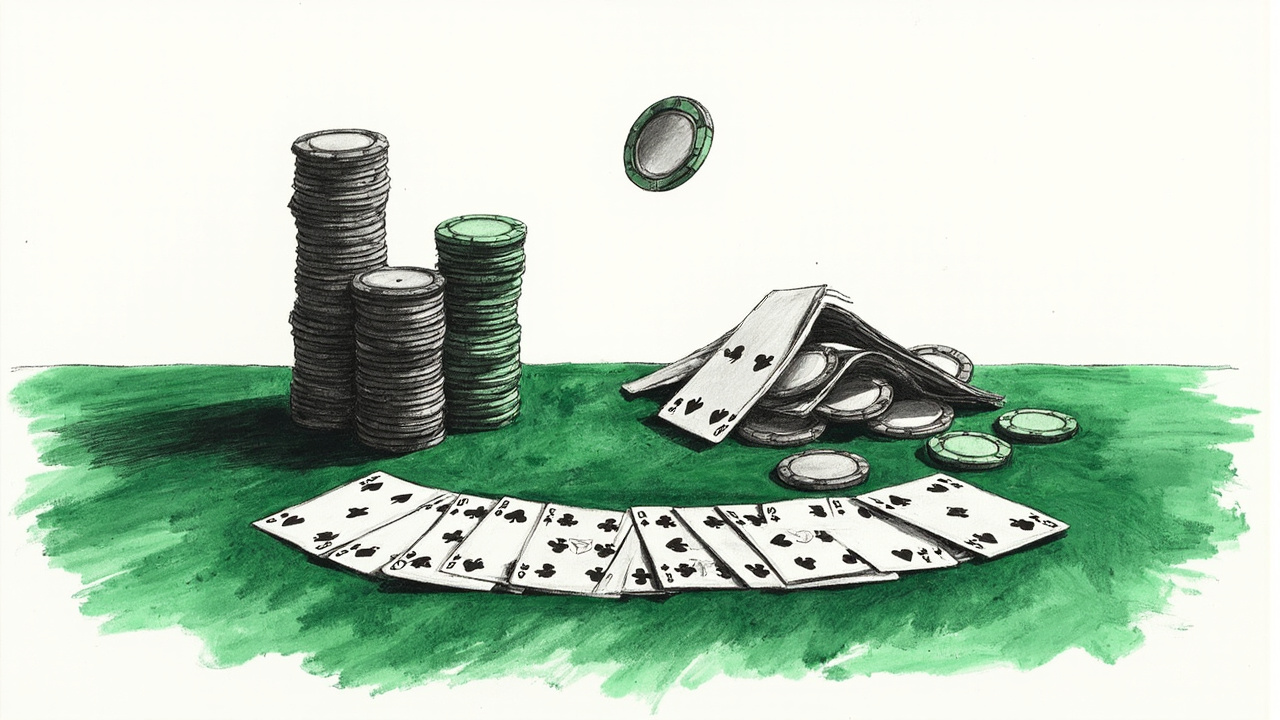
That means checking whether the advertised wild stop loss mechanics actually function under live casino conditions, not just in demo mode. I also look at how quickly payouts are processed and whether customer support responds without scripted delays. For a transparent breakdown of these exact performance metrics, you can refer to the pokiez review at pokiez review.
Support and loyalty matter more than the marketing copy suggests. A platform that treats a limit query or a verification question as a nuisance is telling you something about how it handles the rest of the session. I would rather see a plain, responsive help setup than a glossy loyalty programme that only makes sense when you are winning. Newcastle players in particular tend to notice the difference between a site that answers quickly and one that makes you chase a reply across a busy week. If the support side is weak, the stop-loss feature is only half the story.
The international angle is worth keeping in mind here too. Some European operators bundle loss limits into broader account tools, while certain US markets still leave the responsibility mostly with the player. In Australia, the expectation is that the game and the account settings should work together without extra friction. That is why I judge a title by whether the stop-loss logic feels like part of the play, not an add-on you have to remember to switch on. If the limits are clear, the jackpot is honest, and the support is reachable, the game has earned your attention. If not, no amount of theme art changes the maths.